Why Most Websites Feel the Same (and Why That’s a Problem)
In 2026, most websites feel familiar — almost interchangeable. This is not accidental. It is the result of design systems,…


At Aeon Studio, we believe in limitless possibilities shaped by clarity, balance, and refined simplicity. Our identity is built on principles of purpose, discipline, and meaningful design — values that guide every project we craft. From distinctive branding and thoughtful digital experiences to refined visual systems, our work reflects the philosophy we live and create by. Explore the essence of our brand, discover the structure behind our logo, and see how our vision comes to life.
View our brand →

At Aeon Studio, we believe in limitless possibilities shaped by clarity, balance, and refined simplicity. Our identity is built on principles of purpose, discipline, and meaningful design — values that guide every project we craft. From distinctive branding and thoughtful digital experiences to refined visual systems, our work reflects the philosophy we live and create by. Explore the essence of our brand, discover the structure behind our logo, and see how our vision comes to life.
View our brand →
Reading time:
Date:
Author:
Most brands believe they lose attention because of weak design.
In reality, they lose attention because they fail to establish trust fast enough.
In 2026, users do not evaluate aesthetics first — they evaluate credibility signals before conscious perception even begins.
Neurological studies in digital behavior show that users form a trust judgment before they fully process visual structure.
This means:
The first filter is perceived reliability.
Trust is constructed through micro-signals, not design complexity.
Key elements include:
If any of these are missing, trust collapses instantly.
Failure happens when brands over-prioritize “impression” instead of clarity:
The result is hesitation — and hesitation kills engagement.
In 2026:
Users do not “discover” brands. They immediately categorize them as either safe or unsafe.
Design does not create trust. It only confirms it.
Our process starts with one question:
“What makes this brand feel immediately reliable?”
Only after that do we design visuals.
We reverse the traditional order of branding.
The first 3 seconds are not a design problem.
They are a trust problem disguised as a design problem.
>_ You liked this one?
In 2026, most websites feel familiar — almost interchangeable. This is not accidental. It is the result of design systems,…

Most brands believe they lose attention because of weak design. In reality, they lose attention because they fail to establish…

Every year in design is defined not only by trends and technology, but by the people and partnerships behind the…
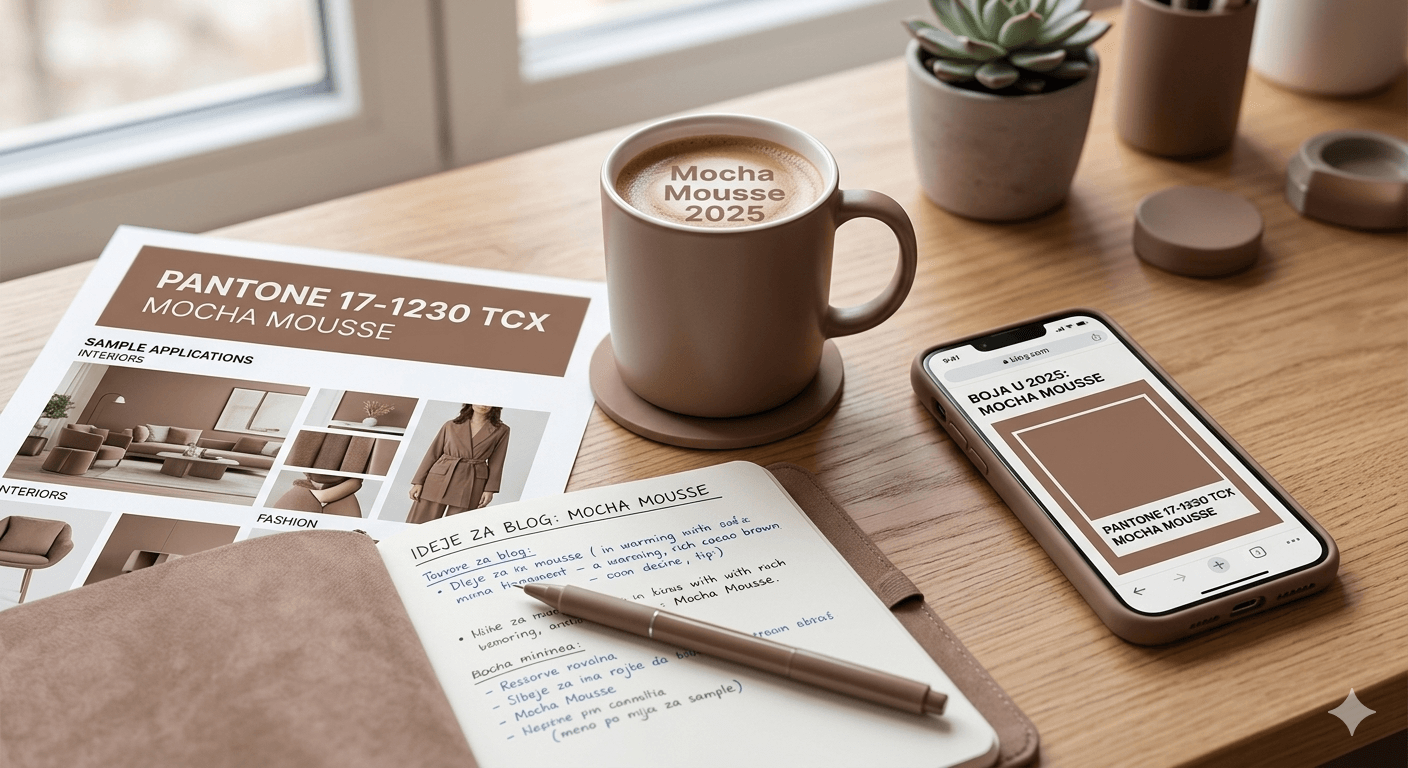
Color remains one of the most powerful emotional triggers in branding. For 2025, Pantone has introduced Mocha Mousse (Pantone 17-1230)…
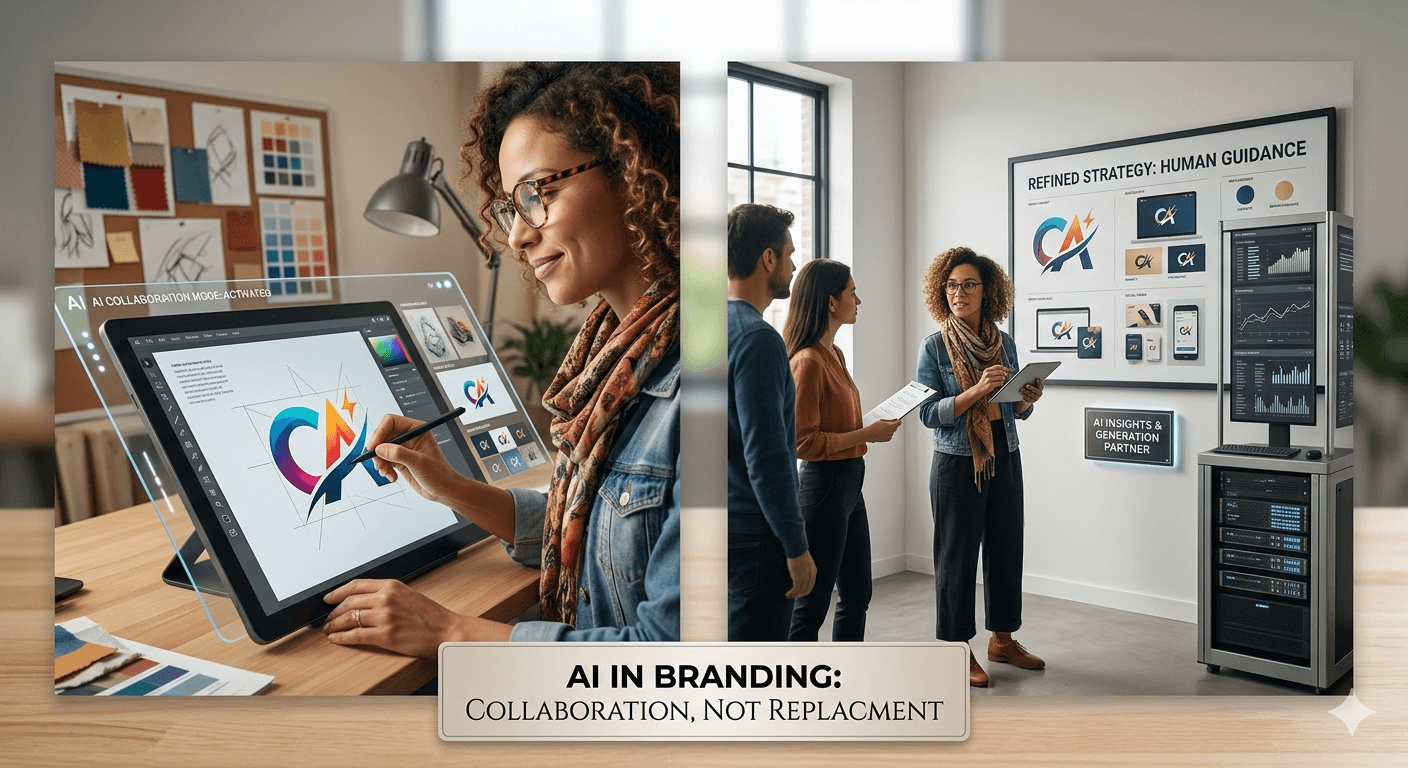
Branding has always been about emotion, storytelling, and connection. But in 2025, artificial intelligence is no longer a distant concept…
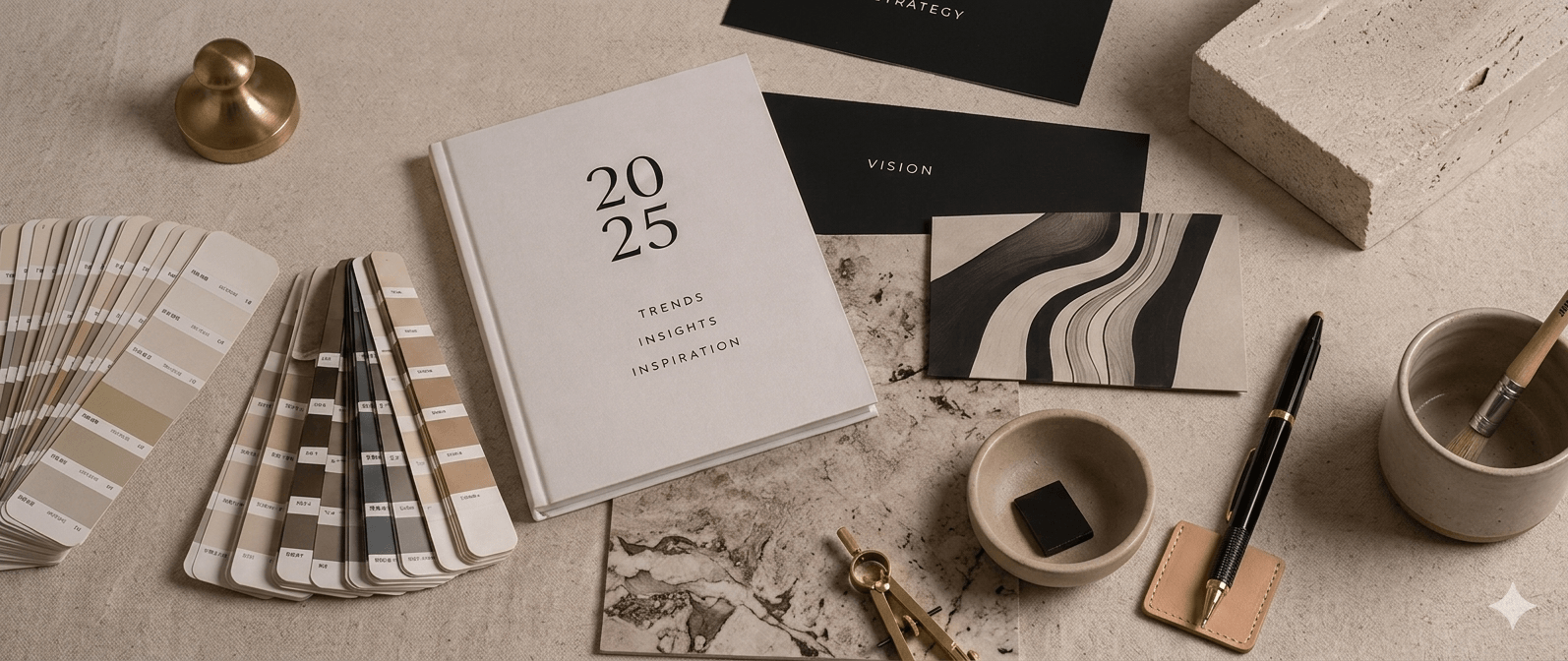
Every new year in design is less about aesthetic novelty and more about strategic evolution. In 2025, branding continues shifting…

Branding has always been about emotion, storytelling, and connection. But in 2025, the rules of design are being rewritten as…
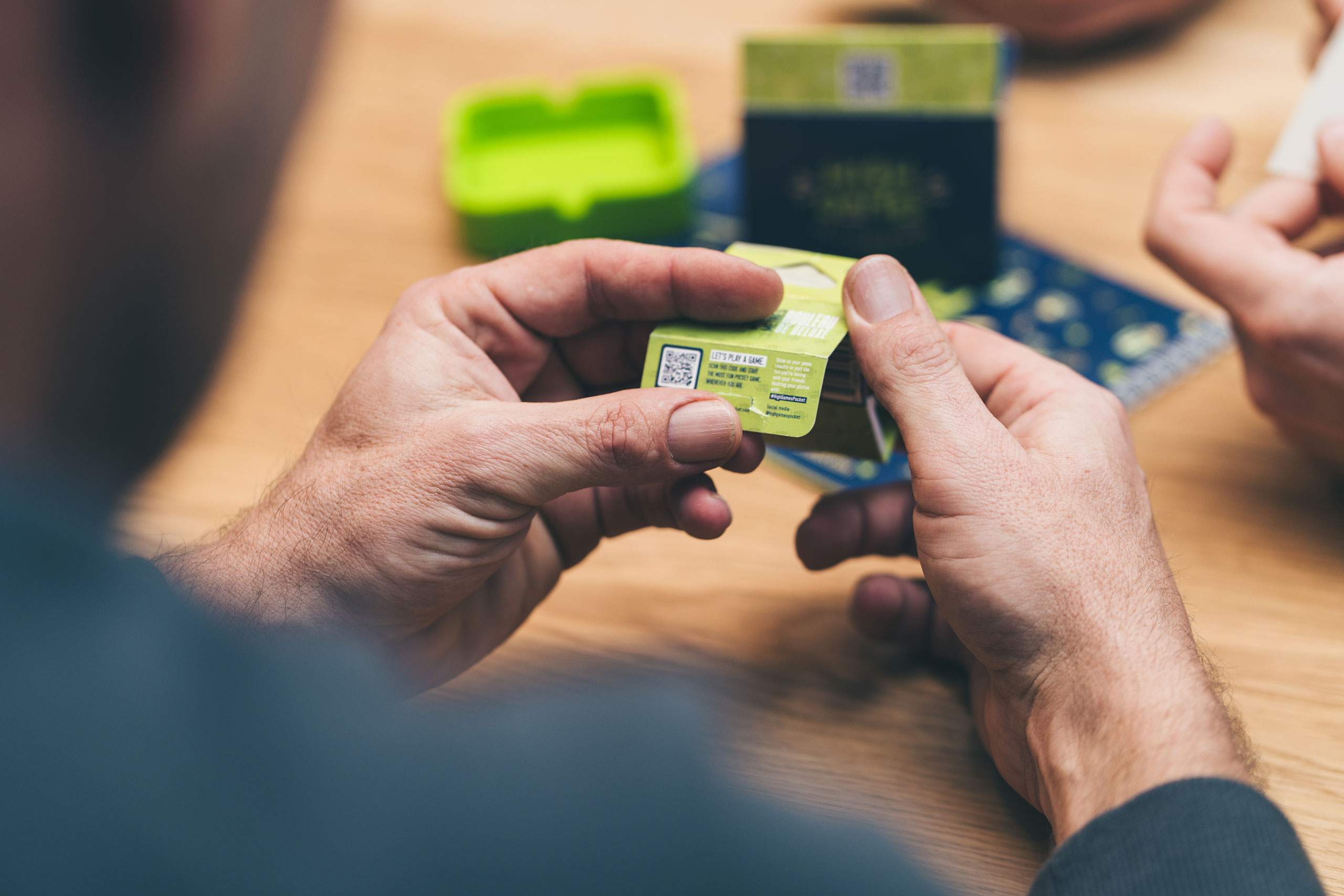
In 2024, sustainability moved beyond being a buzzword — it became an industry standard. From packaging to branding to digital…
Reading time: Date: Author: Aeon Studio on Sketch Blog One of our proudest moments in 2024 was being featured on…

Great design doesn’t happen by accident. Behind every successful brand is a deliberate and deeply human process — one that…
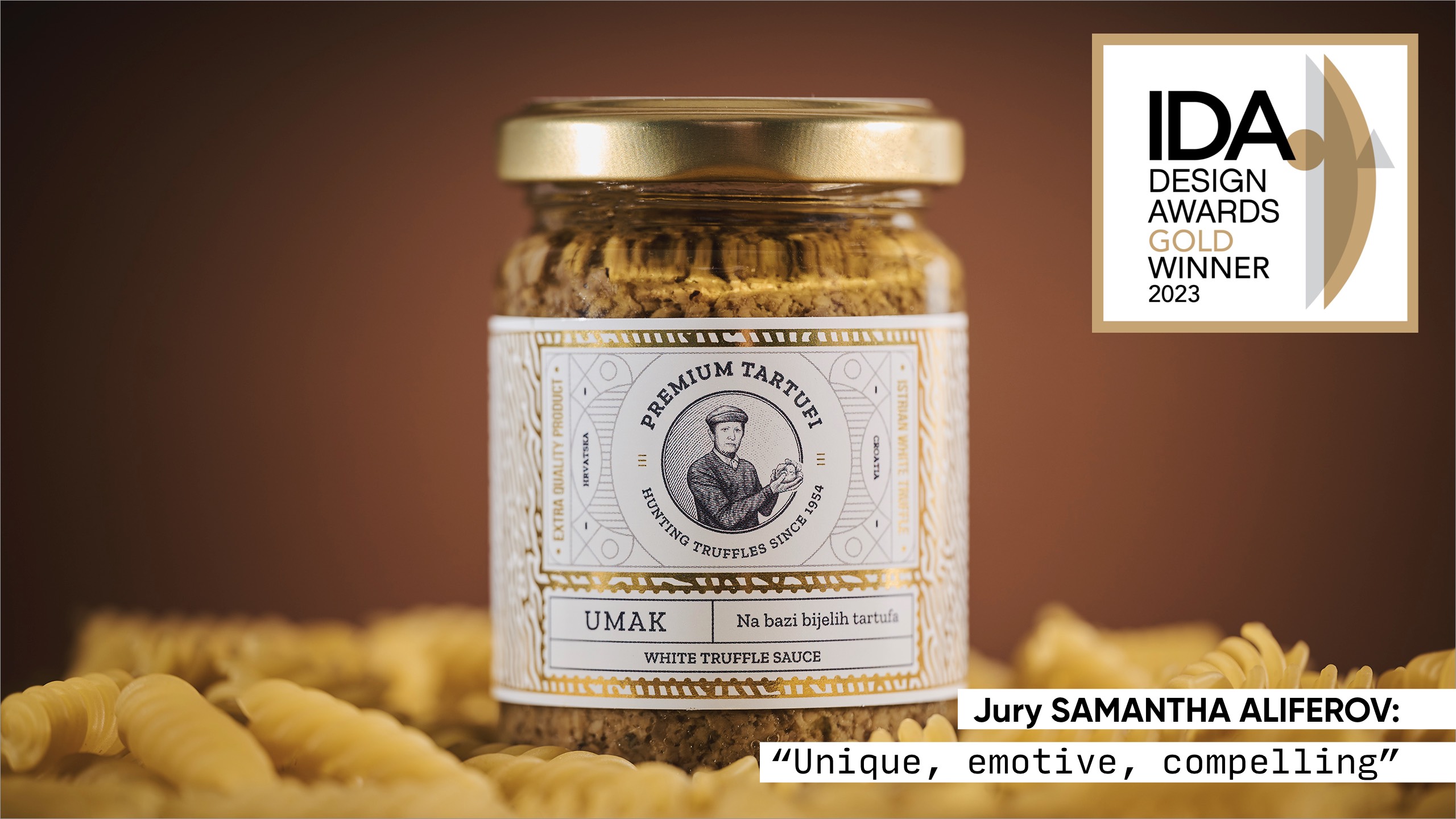
At Aeon Studio, design has always been about more than aesthetics — it’s about telling stories, creating emotional connections, and…
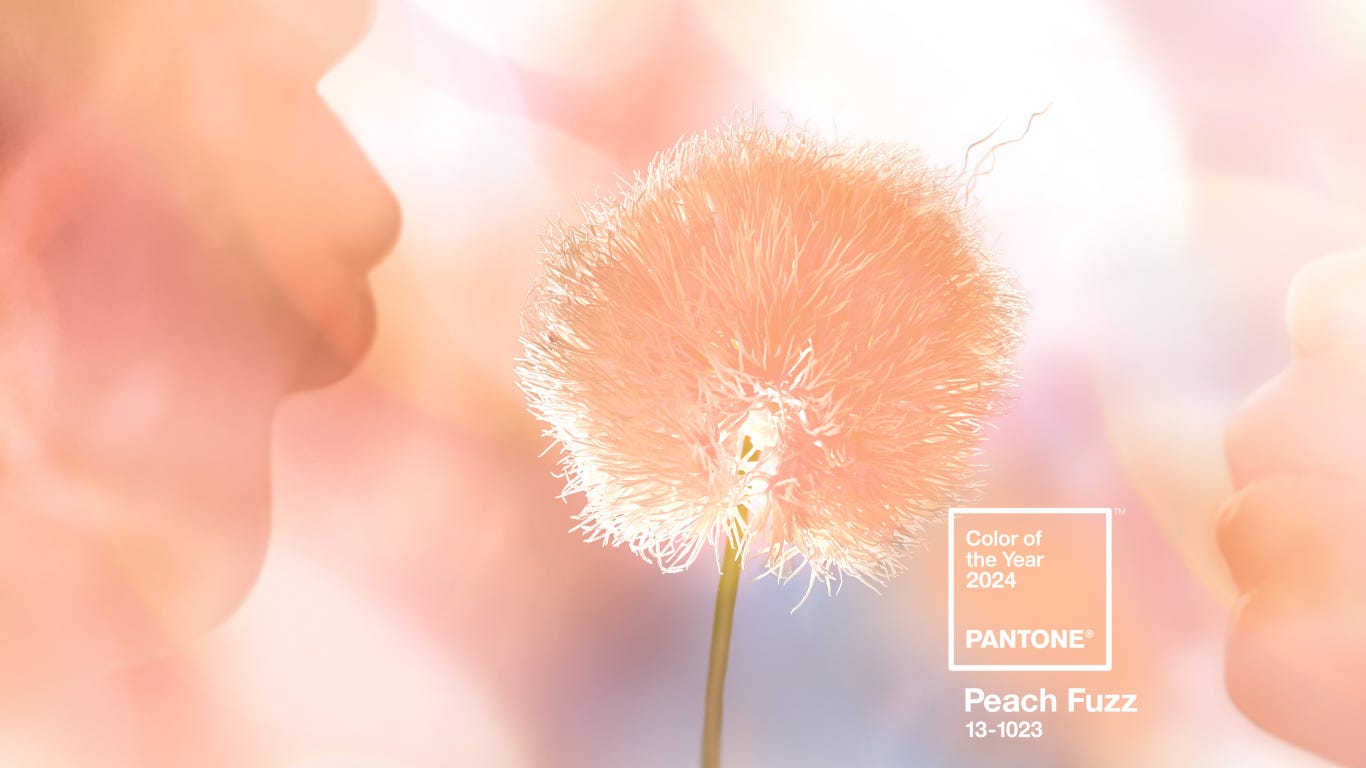
Reading time: Date: Author: Color of the Year 2024: Peach Fuzz — Why It Matters and How to Use It…